Poor cooling performance is one of the most common and frustrating problems homeowners and property managers face with air conditioning systems. When an air conditioner runs but fails to deliver consistent, refreshing cool air, comfort levels drop quickly, energy bills rise, and concerns about system failure often follow. Understanding the reasons behind weak or uneven cooling is the first step toward effective air conditioning repair and long-term system reliability. Addressing these issues early can prevent minor inefficiencies from turning into costly breakdowns.
AIR CONDITIONING REPAIR LOVELAND OH system is designed to regulate indoor temperature by removing heat and circulating cooled air throughout the space. When any part of this process is disrupted, the system struggles to maintain the desired comfort level. Poor cooling performance may develop gradually, making it easy to overlook until it becomes a significant issue. Many people initially assume the system simply needs to run longer, but extended run times often signal deeper mechanical or airflow-related problems.
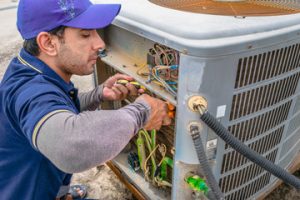
One of the most frequent causes of poor cooling performance is restricted airflow. Air conditioners rely on steady, unobstructed airflow to distribute cooled air efficiently. When filters become clogged with dust and debris, airflow is reduced, forcing the system to work harder to achieve the same result. Over time, this strain can lead to overheated components and reduced overall efficiency. Regular filter replacement is a simple yet critical step in maintaining proper cooling performance.
Dirty or blocked condenser and evaporator coils can also significantly impact cooling efficiency. These coils are responsible for transferring heat out of the indoor space, and when they are coated with dirt or grime, heat exchange becomes less effective. As a result, the system may blow lukewarm air even while running continuously. Coil cleaning is an essential part of air conditioning repair and routine maintenance, helping restore proper heat transfer and cooling capacity.
Low refrigerant levels are another common culprit behind weak cooling. Refrigerant is the substance that absorbs heat from the indoor air and releases it outside. When levels are too low due to leaks or improper charging, the system cannot cool effectively. This issue not only reduces comfort but also risks damaging the compressor, one of the most expensive components of an air conditioning system. Identifying and repairing refrigerant leaks promptly is essential for restoring cooling performance and protecting system longevity.
Thermostat issues can also contribute to poor cooling results. A malfunctioning or improperly calibrated thermostat may send incorrect signals to the air conditioner, causing it to cycle incorrectly or fail to reach the desired temperature. In some cases, the thermostat’s placement can affect its accuracy, especially if it is exposed to direct sunlight or heat sources. Ensuring proper thermostat operation and positioning is a key aspect of diagnosing cooling performance problems.
Ductwork problems are another often-overlooked factor in air conditioning performance. Leaky, damaged, or poorly insulated ducts can allow cooled air to escape before it reaches living or working areas. This results in uneven temperatures and wasted energy, even when the air conditioning unit itself is functioning correctly. Duct sealing and insulation improvements can dramatically enhance cooling efficiency and indoor comfort.
Several warning signs may indicate that professional air conditioning repair is needed, including:
- Warm or inconsistent air coming from vents despite extended system operation.
- Unusually high energy bills without a corresponding increase in usage.
These symptoms suggest that the system is struggling to perform efficiently and may require expert diagnosis to identify underlying issues.
Mechanical wear and tear also play a role in declining cooling performance. Components such as fans, motors, and belts can degrade over time, reducing their ability to circulate air and support heat exchange. When these parts fail to operate at full capacity, the entire system suffers. Routine inspections help detect worn components early, allowing for timely repairs that prevent more extensive damage.
Electrical issues can further complicate air conditioning performance. Faulty wiring, failing capacitors, or worn contactors may disrupt power flow to critical components. These problems can cause the system to start and stop unpredictably or fail to cool effectively. Electrical repairs require professional expertise to ensure safety and restore reliable operation.
Environmental factors can also influence how well an air conditioning system cools a space. Poor insulation, excessive heat gain from windows, or inadequate shading can overwhelm even a well-functioning system. While these issues may not be directly related to the air conditioner itself, addressing them as part of a comprehensive cooling strategy can significantly improve performance and reduce system strain.
Timely air conditioning repair offers several long-term benefits beyond immediate comfort. A properly repaired system operates more efficiently, reducing energy consumption and lowering utility costs. Additionally, resolving cooling issues early helps extend the lifespan of the equipment by minimizing stress on critical components. These benefits highlight the value of proactive repair rather than delaying service until complete system failure occurs.
Professional repair services typically involve a thorough system evaluation to identify all contributing factors to poor cooling. Technicians assess airflow, refrigerant levels, electrical components, and overall system condition. This comprehensive approach ensures that repairs address the root causes rather than just the symptoms. Accurate diagnostics are essential for achieving lasting improvements in cooling performance.
Preventive maintenance plays a crucial role in avoiding poor cooling performance altogether. Scheduled inspections and tune-ups help keep the system operating at peak efficiency throughout the cooling season. Maintenance tasks often include cleaning components, checking refrigerant levels, tightening electrical connections, and verifying proper airflow. Consistent maintenance reduces the likelihood of unexpected breakdowns and helps maintain steady indoor comfort.
Modern air conditioning systems also benefit from advancements in technology that enhance performance monitoring. Smart thermostats and diagnostic tools can detect inefficiencies early, alerting users to potential problems before they escalate. These technologies support more targeted repairs and allow for better control over cooling settings, contributing to improved efficiency and comfort.
When considering air conditioning repair, it is important to evaluate the system’s age and overall condition. Older systems may experience more frequent performance issues due to outdated components and reduced efficiency. In some cases, repeated repairs may indicate that upgrading to a newer, more efficient system could provide better long-term value. A professional assessment can help determine whether repair or replacement is the most practical solution.
Indoor air quality is closely tied to air conditioning performance. Systems struggling with poor cooling often fail to filter and circulate air effectively, leading to increased dust and allergens indoors. Proper repairs and maintenance help restore airflow and filtration, creating a healthier indoor environment alongside improved comfort.
Another factor to consider is system sizing. An air conditioner that is too small for the space will struggle to cool effectively, while an oversized system may cycle too frequently, leading to uneven temperatures and reduced efficiency. Correct sizing ensures balanced operation and consistent cooling, making it a critical consideration during repairs or system evaluations.
In conclusion, air conditioning repair for poor cooling performance is essential for maintaining comfort, efficiency, and system reliability. Weak or inconsistent cooling often signals underlying issues that require prompt attention, from airflow restrictions and refrigerant problems to electrical faults and ductwork leaks. By addressing these issues through professional repair and preventive maintenance, property owners can restore optimal cooling, reduce energy costs, and extend the life of their air conditioning systems. Investing in timely repairs not only enhances immediate comfort but also supports long-term performance and peace of mind.