Disasters can strike without warning, leaving homes and businesses overwhelmed by damage and uncertainty. Whether caused by water, fire, storms, or other unexpected events, property damage requires immediate attention to prevent further loss. Disaster clean up and Restore Draper is the process of removing debris, repairing structural damage, and restoring affected spaces to safe and livable conditions.
Understanding how disaster clean up works and why a structured approach is essential can help property owners navigate recovery with confidence.
Understanding the Impact of Property Disasters
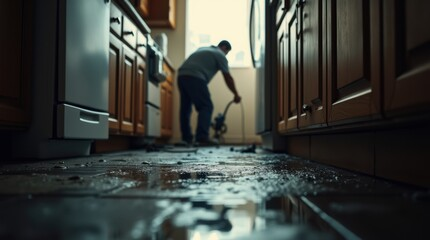
Property disasters can take many forms, including flooding, fires, severe storms, and structural failures. Each type of disaster presents unique challenges and requires a specialized response. Water damage can weaken materials and promote mold growth, while fire damage often leaves behind soot, smoke residue, and structural instability.
Storms may result in roof damage, broken windows, and debris scattered throughout the property. Regardless of the cause, disasters disrupt daily life and may create hazardous conditions that require professional intervention.
Recognizing the scope of the damage is the first step toward effective restoration.
The Importance of Immediate Disaster Clean Up
Time is a critical factor in disaster recovery. Delaying clean up efforts can lead to additional damage and increased repair costs. For example, standing water can seep into walls and flooring, while smoke residue can continue to stain surfaces if not addressed quickly.
Immediate disaster clean up helps stabilize the property and prevent secondary issues such as mold growth or structural deterioration. Acting promptly reduces long term impact and shortens the overall recovery timeline.
A rapid response ensures that restoration begins on a solid foundation.
The Disaster Clean Up Process Explained
Disaster clean up follows a structured process designed to address both visible and hidden damage. The first step typically involves a comprehensive assessment of the affected areas. This evaluation identifies hazards, determines the extent of damage, and guides the restoration plan.
Once the assessment is complete, debris removal begins. Damaged materials, contaminated items, and unsafe structures are cleared away to create a safe working environment. Water extraction, soot removal, or structural stabilization may follow depending on the nature of the disaster.
After initial clean up, restoration efforts focus on repairing and rebuilding damaged areas to restore the property to its pre loss condition.
Water Damage Clean Up and Restoration
Water damage is one of the most common reasons for disaster clean up. Flooding, burst pipes, and appliance failures can introduce large amounts of water into a property. Without immediate action, water can compromise flooring, drywall, insulation, and electrical systems.
Water extraction is the first priority. Specialized equipment removes standing water quickly to minimize absorption into materials. Drying and dehumidification follow to eliminate hidden moisture and prevent mold growth.
Thorough drying and cleaning are essential to ensure long term structural integrity and indoor air quality.
Fire and Smoke Damage Clean Up
Fire damage presents a different set of challenges. In addition to structural damage caused by flames, smoke and soot can penetrate surfaces throughout the property. Even areas untouched by fire may be affected by smoke residue.
Fire disaster clean up involves removing debris, cleaning soot from walls and ceilings, and addressing lingering odors. Air filtration systems may be used to improve indoor air quality.
Restoration after fire damage often includes replacing compromised materials and repainting affected surfaces to restore appearance and safety.
Storm and Weather Related Disaster Recovery
Severe weather events can cause extensive damage to roofs, siding, windows, and landscaping. High winds and heavy rain may lead to water intrusion, while hail can damage roofing materials.
Storm related disaster clean up focuses on securing the property and preventing further exposure to the elements. Temporary coverings may be installed until permanent repairs can be made.
Assessing structural stability and addressing water damage promptly helps reduce the long term impact of weather related disasters.
Health and Safety Considerations
Disaster clean up involves potential health and safety risks. Contaminated water, mold spores, and airborne particles can pose health hazards. Structural instability may create physical dangers during recovery efforts.
Protective equipment and proper procedures are essential to ensure safe clean up. Addressing contamination and maintaining proper ventilation reduce risks to occupants and workers.
Safety remains a top priority throughout the restoration process.
Mold Prevention and Remediation
Mold growth is a common consequence of water damage and can develop quickly in damp environments. If not addressed promptly, mold can spread and affect indoor air quality.
Disaster clean up includes thorough drying and sanitizing to prevent mold growth. In cases where mold is present, remediation efforts remove affected materials and treat contaminated areas.
Preventing mold ensures a healthier and more comfortable living environment.
Structural Repairs and Reconstruction
After clean up is complete, structural repairs are often necessary to restore the property. Damaged drywall, flooring, roofing, and framing may need replacement. Reconstruction efforts aim to return the property to a safe and functional state.
Careful planning ensures that repairs meet building standards and address underlying issues. Reconstruction provides an opportunity to reinforce vulnerable areas and improve resilience against future disasters.
Restoring structural integrity is a key component of full recovery.
Working With Insurance During Disaster Clean Up
Disaster recovery often involves insurance claims. Documenting damage with photographs and detailed descriptions supports the claims process. Keeping records of clean up and repair efforts ensures transparency.
Understanding policy coverage and communicating clearly with insurance representatives helps streamline the process. Timely reporting of damage increases the likelihood of a successful claim.
Effective coordination between restoration efforts and insurance requirements supports smoother recovery.
Emotional Impact of Property Disasters
Experiencing a disaster can be emotionally overwhelming. The sudden disruption, loss of belongings, and uncertainty about repairs create stress for property owners.
Disaster clean up and restoration provide a pathway toward stability. Seeing damaged spaces gradually restored helps rebuild confidence and comfort.
Addressing both physical and emotional aspects of recovery contributes to a more complete healing process.
Preventing Future Disasters
While not all disasters can be prevented, proactive measures reduce risk. Regular maintenance of plumbing systems, roofing, and drainage helps prevent water related issues. Installing smoke detectors and maintaining electrical systems enhances fire safety.
Creating an emergency plan and understanding how to respond quickly also support preparedness. Investing in preventive measures strengthens resilience and minimizes potential damage.
Preparedness complements professional disaster clean up efforts.
The Value of Professional Disaster Clean Up Services
Professional disaster clean up services bring expertise, equipment, and structured processes to complex recovery situations. Attempting large scale clean up without proper tools may result in incomplete restoration.
Experienced professionals understand how to identify hidden damage and address safety concerns effectively. Their involvement accelerates recovery and ensures thorough results.
Relying on trained experts supports efficient and reliable restoration.
Long Term Benefits of Thorough Restoration
Comprehensive disaster clean up and restoration protect property value and long term safety. Addressing damage promptly prevents lingering structural issues and health risks.
A well restored property regains functionality and aesthetic appeal. Thorough recovery ensures that hidden damage does not resurface later.
Investing in proper restoration safeguards the future of the property.
Conclusion
Disaster clean up and restoration play a vital role in recovering from property damage caused by water, fire, storms, or other unexpected events. Acting quickly, following a structured process, and prioritizing safety ensure effective recovery.
From debris removal and drying to structural repairs and mold prevention, each step contributes to restoring stability and comfort. With proper planning and professional support, disaster clean up transforms damaged spaces into safe and functional environments once again, allowing property owners to move forward with confidence.
Visit our Professional Services Blogs
Portland Metro Plumbers, Provantage Handyman, Santa Ana Flooring, Plumbing Heating Cooling New Jersey, Riverside Stump Grinding, Painter In Hanover, My Restoration Directory, Miami Dade Restoration Services, Update Construction, Campanelli Construction, Cruz Construction And Restoration , Airconditioning Round Rock, Air Dynamics Airconditioning And Heating, Gands Airconditioning And Heating, Windward Building Company LLC, Airconditioning Repairs Bocaraton, Laguna Airconditioning, Roofing 719, 3 Phase Construction NJ, Broadway Building Contractors, UIS Concrete And Demo, Austin Plumbers Near Me, Richmond Gutter Cleaning Company, Weather Defense Roofing Weather Proof Roofing, Ray Allen Plumbing, Raleigh Pressure Washing Painting , Fairfield County Septic, Carlson Craft Cabinets, Helping Hand Home Improvement, Delco Home Inspector, Window Cleaning Stafford